

Introduction
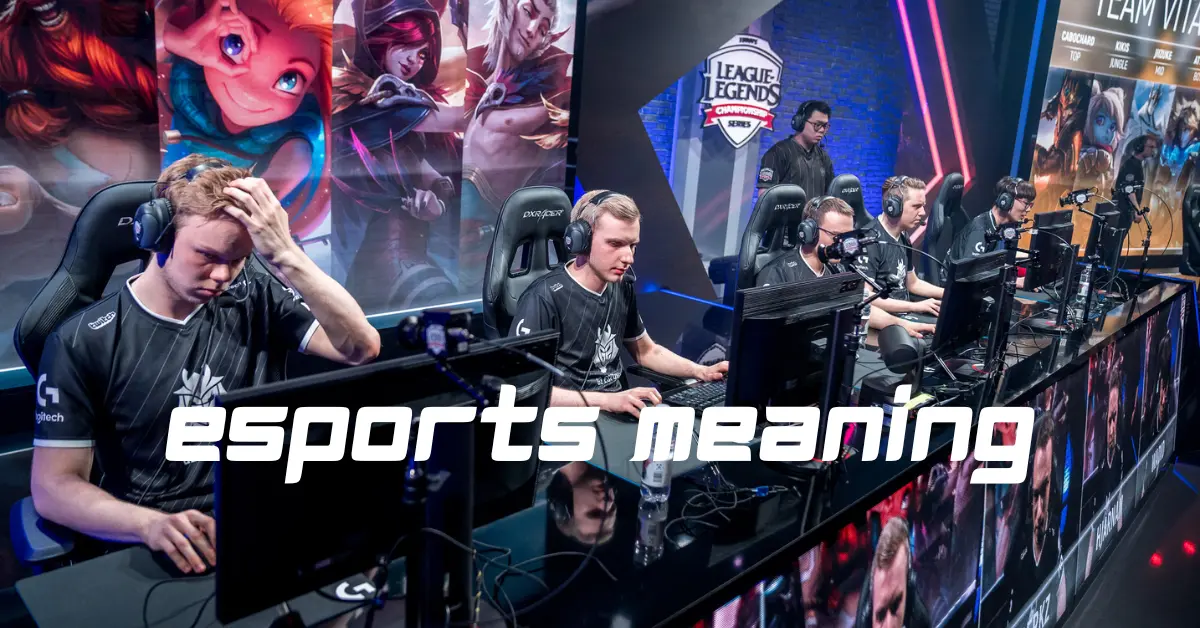
The world of competitive gaming has exploded in popularity over the past decade, transforming what was once a niche hobby into a global phenomenon. If you’re wondering about the esports meaning, you’re not alone—millions of people worldwide are tuning in to watch tournaments, cheering for their favorite teams, and even considering careers in the industry.
In this article, we’ll explore the definition of esports, its fascinating history, the most popular games dominating the scene, the various career opportunities it offers, and the overall impact of this rapidly growing industry. Whether you’re a casual gamer, a fan, or someone curious about the world of professional gaming, this guide will give you a clear understanding of what is esports and why it matters today.
What Is Esports?
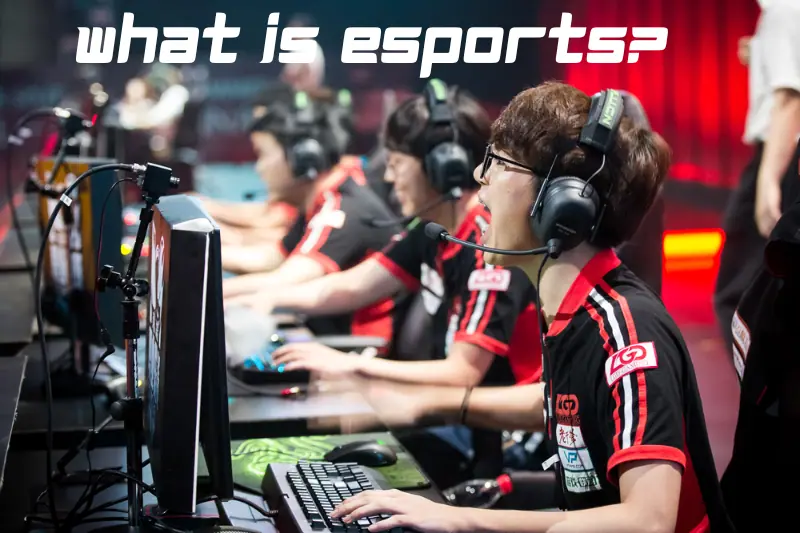
Esports, short for electronic sports, refers to competitive video gaming where players and teams compete against each other in organized tournaments. Unlike casual gaming, which is often played for fun, esports is highly structured and can involve professional leagues, sponsorships, and even massive prize pools.
Understanding the esports meaning requires recognizing that it’s more than just playing games—it’s a form of competition that combines skill, strategy, and teamwork. Players train rigorously, just like athletes in traditional sports, to master game mechanics, develop strategies, and perform under pressure during live events.
So, what is esports really? It’s the professional and organized side of gaming, encompassing a wide range of genres including multiplayer online battle arenas (MOBAs), first-person shooters (FPS), real-time strategy (RTS), and sports simulation games. From global tournaments like League of Legends World Championship to regional competitions in games like CS:GO or Dota 2, esports has become a multi-billion-dollar industry with a massive following.
May be you like it :
Popular Sports Podcasts 2025 – Top Sports Shows for Every Fan
Major Sports in Italy – Football, Cycling, Basketball And More
Major Sports in Germany – Explore the Most Popular German Sports
Big 4 Sports Teams – Quiz, Facts, and Everything You Need to Know
Largest Sports Venue in the World – Top Stadiums, Facts
History of Esports
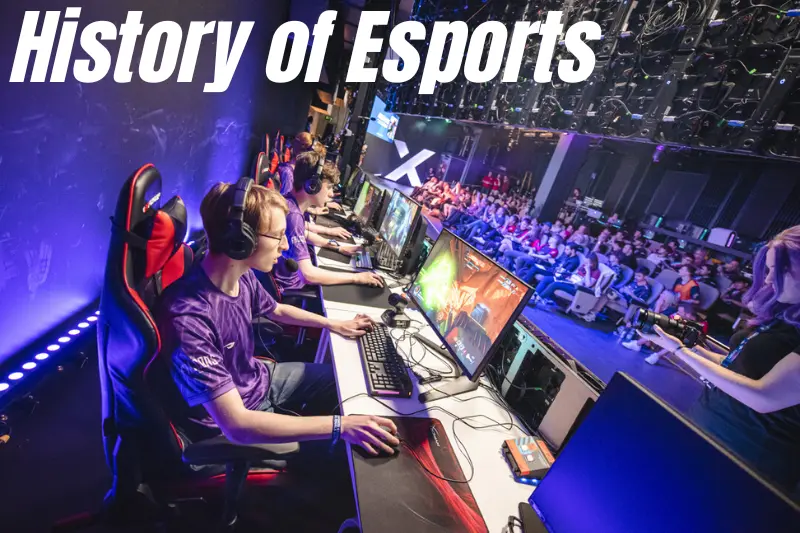
The journey of esports began long before it became a global phenomenon. While competitive video gaming has existed since the 1970s, it wasn’t until the late 1990s and early 2000s that esports truly started to take shape as an organized industry. The esports meaning has evolved significantly over the decades, from small local competitions to massive international tournaments with millions of viewers.
Early milestones included arcade competitions and early PC gaming tournaments, such as the 1997 Red Annihilation Quake tournament, which is often cited as one of the first major esports events. With the rise of broadband internet, online multiplayer games like StarCraft and Counter-Strike helped esports reach global audiences, creating professional gaming communities around the world.
The 2010s marked a turning point as streaming platforms like Twitch and YouTube Gaming allowed fans to watch live competitions from anywhere, turning esports into a mainstream entertainment industry. Today, esports tournaments like the League of Legends World Championship or The International for Dota 2 offer multi-million-dollar prize pools, attracting top talent and sponsors from major global brands.
Popular Esports Games
Esports has grown into a diverse industry, with numerous games attracting millions of players and viewers worldwide. Understanding the esports meaning also involves knowing which games have shaped the competitive scene. Here are some of the most popular esports games today:
- League of Legends (LoL) – A multiplayer online battle arena (MOBA) game known for its strategic gameplay and massive international tournaments, including the annual World Championship.
- Dota 2 – Another MOBA that features highly complex strategies and some of the largest prize pools in esports history, particularly at The International.
- Counter-Strike: Global Offensive (CS:GO) – A first-person shooter (FPS) famous for its tactical team-based gameplay and global competitions.
- Fortnite – A battle royale game that combines building mechanics with fast-paced shooting, attracting a younger esports audience and high-profile events.
- Call of Duty – A long-standing FPS series with professional leagues and seasonal tournaments, blending traditional esports with modern streaming culture.
- Overwatch – A team-based shooter with a focus on heroes with unique abilities, featured in the Overwatch League, which mirrors traditional sports leagues.
Each of these games has developed its own competitive ecosystem, complete with professional teams, sponsorships, and live events. By understanding the esports definition and the variety of games available, it’s easy to see why esports has become such a cultural and economic force.
May be you like it :
Esports World Cup Chess – Guide to Online Chess
Esports Meaning – What It Is, History, Games And Career Opportunities
World Sports Ranking 2025 – Top 10 Most Popular Sports in the World
International Sports Quiz Questions – Test Your Knowledge
Top 10 of the World’s Weirdest Sports You Won’t Believe Exist
How Esports Works
Understanding the esports meaning goes beyond knowing the games—it’s about how the competitive ecosystem operates. Esports functions through organized tournaments, professional leagues, and streaming platforms that connect players and fans worldwide.
- Tournament Structure: Most esports tournaments are structured like traditional sports competitions. Players or teams compete in qualifying rounds, group stages, and knockout brackets, with winners advancing toward the championship. Some tournaments are one-time events, while others follow a seasonal league format, such as the Overwatch League or Call of Duty League.
- Professional Teams and Players: Teams are made up of highly skilled players who practice for hours daily, strategizing and coordinating with teammates. Many players sign contracts with professional organizations, receive salaries, and participate in sponsorship deals, just like traditional athletes.
- Streaming and Viewership: Platforms like Twitch, YouTube Gaming, and Facebook Gaming allow fans to watch live matches, interact with players, and follow esports news. Streaming has significantly boosted esports’ popularity, making tournaments accessible to a global audience.
- Prize Pools and Sponsorships: Esports tournaments often feature significant prize money, sometimes reaching millions of dollars. In addition, sponsorships from gaming companies, tech brands, and mainstream corporations support the industry financially and help players gain recognition.
By understanding how esports works, it’s clear that competitive gaming is a professional and structured industry, not just casual gameplay.
Careers in Esports
The esports meaning extends far beyond just playing games—there’s a growing world of career opportunities for those passionate about gaming. As the industry expands, it has created roles that cater to a variety of skills, from gameplay to management and media.
- Professional Players: These are the athletes of esports. They train extensively, compete in tournaments, and often sign contracts with esports organizations. Successful players can earn substantial salaries, prize money, and sponsorship deals.
- Coaches and Analysts: Just like traditional sports, esports teams rely on coaches to develop strategies, analyze opponents, and improve player performance. Analysts study gameplay statistics to give teams a competitive edge.
- Commentators and Streamers: Esports commentators, also known as casters, provide live commentary during matches, making games more exciting for audiences. Streamers create content on platforms like Twitch and YouTube, building communities and influencing the esports ecosystem.
- Event Management and Marketing: Esports also offers opportunities in event organization, sponsorship management, marketing, and social media. Professionals in these areas ensure tournaments run smoothly and reach large audiences.
- Game Development and Production: From creating new games to maintaining competitive balance, developers and producers play a crucial role in the esports industry.
With careers ranging from competitive gaming to behind-the-scenes roles, esports offers diverse opportunities for those interested in turning their passion for gaming into a profession.
May be you like it :
Global Sports Management Jobs – Top Careers Skills Salaries And Opportunities Worldwide
Fitness Training in Soccer – Improve Strength Speed And Endurance
Esports Earnings – How Pro Gamers Make Money in 2025
Esports World Cup 2024 – Schedule Teams Games And Live Coverage
Esports Godfather – The Pioneer Who Shaped Competitive Gaming
Benefits and Challenges of Esports
Understanding the esports meaning also involves looking at both its advantages and potential drawbacks. As competitive gaming grows, it impacts players, fans, and the broader gaming community in various ways.
Benefits of Esports:
- Skill Development: Esports improves strategic thinking, hand-eye coordination, teamwork, and decision-making skills.
- Career Opportunities: From professional players to roles in event management, streaming, and marketing, esports offers diverse career paths.
- Global Community: Esports connects people worldwide, fostering friendships and shared experiences among fans.
- Scholarships and Recognition: Many universities now offer esports scholarships, and professional players gain recognition comparable to traditional athletes.
Challenges of Esports:
- Screen Time and Health: Long hours of practice can lead to eye strain, poor posture, and physical strain if not managed properly.
- Burnout: High pressure to perform can cause mental fatigue and stress, particularly for professional players.
- Sustainability: The esports industry faces challenges in maintaining long-term career stability and fair compensation for players.
- Toxicity and Online Behavior: Competitive gaming communities sometimes struggle with negative interactions and unsportsmanlike behavior.
Despite these challenges, the benefits of esports—skill development, career prospects, and global engagement—make it a compelling and growing field for both players and fans.
The Future of Esports
The esports meaning is constantly evolving, and its future looks brighter than ever. With rapid technological advancements, growing audiences, and increasing investment, esports is set to become an even more integral part of global entertainment.
- Growth Trends: The esports industry continues to expand at an impressive rate, with millions of viewers tuning in to live tournaments each year. Emerging markets in Asia, Latin America, and Europe are contributing to this growth, making esports a truly global phenomenon.
- Technology Integration: Virtual reality (VR), augmented reality (AR), and cloud gaming are opening new possibilities for immersive esports experiences. Mobile esports is also on the rise, making competitive gaming accessible to anyone with a smartphone.
- Professionalization: Leagues and tournaments are becoming more structured, with standardized rules, contracts, and player welfare initiatives. Sponsorship from major brands and media companies ensures long-term sustainability and financial growth.
- Audience Engagement: Interactive streaming, fan communities, and social media integration are transforming how audiences experience esports. Fans can now engage with players, participate in live polls, and access behind-the-scenes content like never before.
With these trends, the future of esports promises more innovation, more opportunities, and a bigger global footprint, solidifying its place as a mainstream competitive and entertainment platform.
Conclusion
In today’s digital age, understanding the esports meaning is essential for anyone curious about the booming world of competitive gaming. From its humble beginnings in arcade tournaments to the multi-million-dollar global events of today, esports has grown into a professional and highly organized industry.
We’ve explored the definition of esports, its fascinating history, the most popular games, career opportunities, and the benefits and challenges that come with it. Whether you’re interested in becoming a professional player, pursuing a career behind the scenes, or simply following tournaments as a fan, esports offers something for everyone.
As the industry continues to grow and evolve, the future of esports promises even more innovation, opportunities, and global engagement. Now that you know what is esports, you can better appreciate its impact and significance in modern entertainment and competitive culture.
May be you like it :
International Zurkhaneh Sports Federation (IZSF)- Promoting Traditional Iranian Sport Worldwide
6 Month Strength Training Results – Muscle Gain Body Transformation And Progress Tips
Questions About Fitness – Answers to the Most Common Fitness FAQs
Fitness and Health Questions Answered – Expert Tips for a Healthy Lifestyle
Fitness Training Basketball – Ultimate Guide to Strength Agility And Conditioning
