

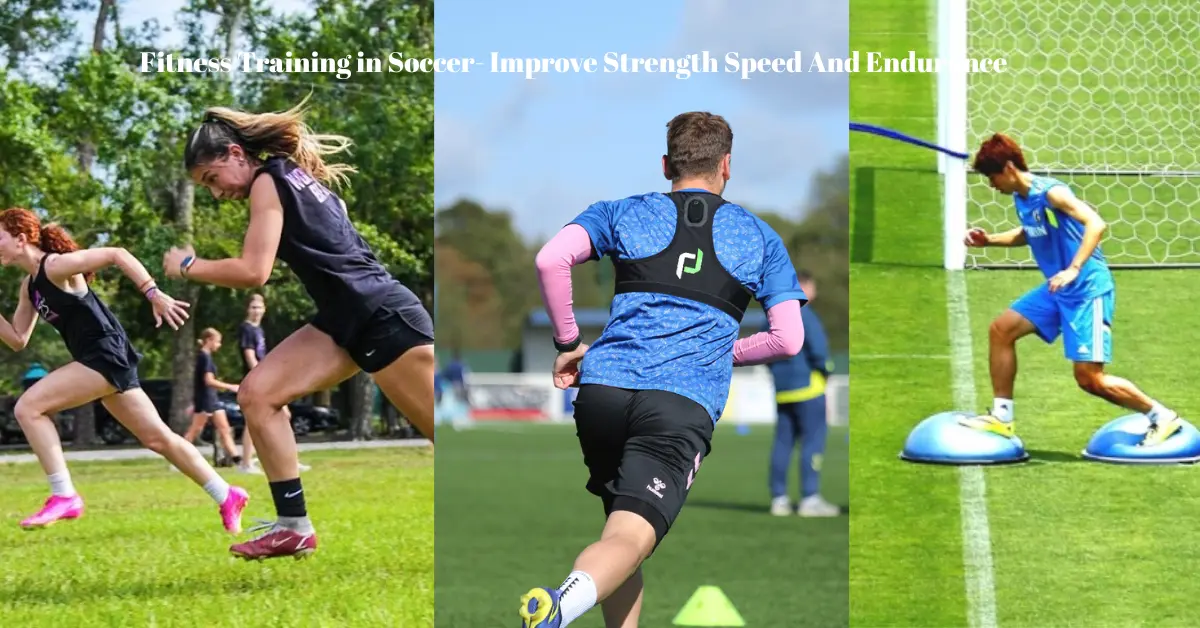
Soccer is more than just skill with the ball—it’s a game that demands peak physical performance, quick reflexes, and unwavering stamina. Whether you’re sprinting down the wing, maneuvering past defenders, or making that last-minute tackle, your body’s fitness plays a pivotal role in every move on the field. This is where fitness training in soccer becomes essential. By focusing on structured conditioning, players can enhance their speed, build endurance, increase strength, and reduce the risk of injuries that could sideline their season.
Incorporating well-designed soccer fitness drills and comprehensive soccer conditioning routines ensures athletes are prepared for the intense physical demands of the game. From explosive sprints to agility exercises and strength workouts, proper fitness training equips players to perform at their best during every match. Whether you’re a beginner aiming to improve overall stamina or an advanced player striving for peak performance, understanding and applying effective fitness strategies is the key to dominating the field and maintaining long-term athletic health.
Why Fitness Training is Crucial for Soccer Players
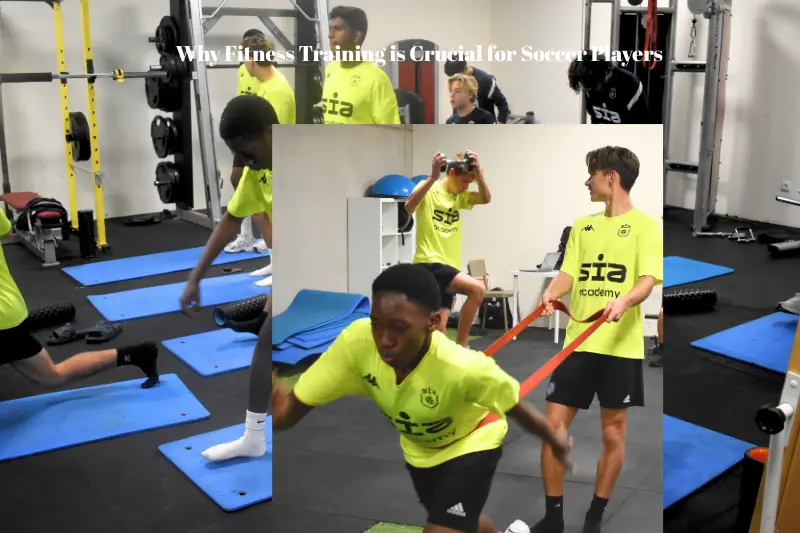
Soccer is a dynamic, high-intensity sport that demands more than just technical skills with the ball. Players must sprint, change direction rapidly, jump, tackle, and maintain focus for 90 minutes or more. Without proper fitness training in soccer, athletes risk fatigue, slower reaction times, and decreased performance during critical moments of a match.
Fitness training enhances a player’s endurance, speed, and strength, which are essential for maintaining energy throughout games and outpacing opponents. Well-conditioned players also have better agility and coordination, allowing them to maneuver past defenders, recover quickly after challenges, and execute precise movements under pressure.
Moreover, fitness is a key factor in injury prevention. Strengthening muscles, improving flexibility, and enhancing cardiovascular conditioning reduce the risk of common soccer injuries such as sprains, strains, and overuse injuries.
In short, investing in structured fitness training not only improves performance but also supports long-term health and consistency on the field. Incorporating proper soccer conditioning and targeted soccer fitness drills ensures players are physically prepared to compete at their best in every match.
May be you like it :
Popular Sports Podcasts 2025 – Top Sports Shows for Every Fan
Major Sports in Italy – Football, Cycling, Basketball And More
Major Sports in Germany – Explore the Most Popular German Sports
Big 4 Sports Teams – Quiz, Facts, and Everything You Need to Know
Largest Sports Venue in the World – Top Stadiums, Facts
Key Components of Soccer Fitness Training
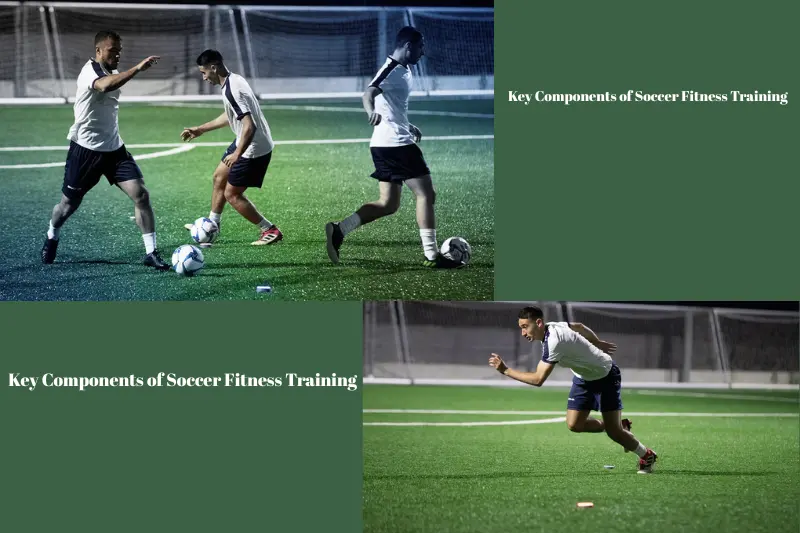
Effective fitness training in soccer requires a well-rounded approach that targets endurance, strength, speed, agility, and flexibility. Focusing on these areas ensures players can perform at their peak throughout a match.
Endurance Training
Endurance is the backbone of soccer performance. Players cover several miles per match, often with bursts of sprinting and rapid direction changes. Incorporating long-distance runs, interval sprints, and high-intensity drills improves cardiovascular capacity and overall stamina. Proper endurance training ensures players maintain energy and focus, even in the final minutes of a game.
Strength Training
Strength is crucial for tackling, shooting, and winning aerial duels. Lower-body exercises like squats, lunges, and calf raises build power in the legs, while core exercises such as planks, Russian twists, and leg raises improve balance and stability. Well-developed strength reduces injury risk and enhances overall performance.
Speed and Agility
Soccer requires quick acceleration, sudden stops, and rapid changes of direction. Ladder drills, cone exercises, and short sprints develop explosive speed and agility, allowing players to evade opponents, recover quickly, and react faster on the field.
Flexibility and Injury Prevention
Stretching, dynamic warm-ups, and mobility exercises improve flexibility and reduce muscle stiffness. These practices minimize the risk of strains and overuse injuries, ensuring consistent training and performance.
By integrating soccer fitness exercises, soccer strength training, and agility drills for soccer, players create a complete fitness routine that enhances all aspects of their game.
May be you like it :
Esports World Cup Chess – Guide to Online Chess
Esports Meaning – What It Is, History, Games And Career Opportunities
World Sports Ranking 2025 – Top 10 Most Popular Sports in the World
International Sports Quiz Questions – Test Your Knowledge
Top 10 of the World’s Weirdest Sports You Won’t Believe Exist
Sample Weekly Fitness Training Plan for Soccer Players
A structured weekly plan ensures all aspects of fitness training in soccer are covered—endurance, strength, speed, agility, and recovery. Here’s a sample routine that players of different levels can follow:
- Monday – Strength Training
Focus on lower body and core exercises such as squats, lunges, deadlifts, planks, and Russian twists. This builds power for shooting, tackling, and stability on the field. - Tuesday – Endurance & Conditioning
Perform interval sprints, long-distance runs, and high-intensity drills. Enhances cardiovascular fitness and prepares players to maintain energy throughout matches. - Wednesday – Active Recovery
Include light mobility exercises, stretching, yoga, or a gentle swim. Helps muscles recover and reduces injury risk. - Thursday – Speed and Agility Drills
Ladder drills, cone drills, shuttle runs, and short sprints improve quickness, reaction time, and on-field maneuverability. - Friday – Soccer-Specific Fitness Drills
Combine ball control, dribbling, and passing drills with conditioning exercises to simulate match situations. - Saturday – Match Simulation or Scrimmage
Apply all training elements in a real-game context to test endurance, speed, and agility under pressure. - Sunday – Recovery & Nutrition Focus
Emphasize stretching, foam rolling, hydration, and proper nutrition to repair muscles and prepare for the next week.
Following a consistent soccer fitness routine like this enhances performance, prevents injuries, and builds the stamina, strength, and speed necessary to excel on the field.
Nutrition and Recovery Tips for Soccer Players
Effective fitness training in soccer isn’t just about drills and workouts—it also relies heavily on proper nutrition and recovery strategies. Fueling your body correctly and allowing adequate recovery ensures maximum performance and reduces the risk of injuries.
Proper Hydration
Staying hydrated before, during, and after training or matches is essential. Water supports muscle function, prevents cramps, and maintains focus. For longer sessions, consider electrolyte drinks to replenish lost minerals.
Balanced Diet
A soccer player’s diet should include:
- Carbohydrates: Provide energy for intense matches and workouts (e.g., whole grains, fruits, vegetables).
- Proteins: Aid muscle repair and growth (e.g., lean meats, eggs, legumes).
- Healthy Fats: Support endurance and overall health (e.g., nuts, seeds, olive oil).
Recovery Techniques
Recovery is just as important as training. Use strategies such as:
- Stretching and Mobility Work: Helps muscles recover and improves flexibility.
- Foam Rolling: Reduces muscle soreness and enhances circulation.
- Quality Sleep: Vital for muscle repair and overall performance.
By combining proper soccer nutrition with smart recovery strategies, players maximize the benefits of their soccer fitness drills and conditioning routines, allowing them to train harder, play better, and stay injury-free.
May be you like it :
Global Sports Management Jobs – Top Careers Skills Salaries And Opportunities Worldwide
Fitness Training in Soccer – Improve Strength Speed And Endurance
Esports Earnings – How Pro Gamers Make Money in 2025
Esports World Cup 2024 – Schedule Teams Games And Live Coverage
Esports Godfather – The Pioneer Who Shaped Competitive Gaming
Common Mistakes in Soccer Fitness Training
Even the most dedicated players can unintentionally undermine their progress if they make mistakes in their fitness training in soccer. Recognizing and avoiding these pitfalls is essential for consistent improvement and injury prevention.
Overtraining or Undertraining
Some players push too hard, risking fatigue, burnout, or injury, while others don’t train enough, limiting strength, endurance, and agility gains. Following a balanced soccer fitness routine ensures the right intensity and recovery for optimal results.
Neglecting Flexibility and Mobility
Skipping stretching and mobility exercises can lead to tight muscles, reduced range of motion, and a higher risk of strains or sprains. Incorporating daily flexibility work improves performance and prevents injuries.
Ignoring Recovery and Nutrition
Proper rest, hydration, and nutrition are crucial. Without them, muscles cannot repair efficiently, leading to decreased performance and higher injury risk. Prioritizing soccer nutrition and recovery strategies is key for long-term success.
Focusing Only on One Aspect of Fitness
Endurance, strength, speed, agility, and flexibility all contribute to soccer performance. Neglecting any one component creates gaps in a player’s fitness, reducing effectiveness on the field.
By avoiding these common mistakes and following structured soccer conditioning and fitness drills, players can maximize their performance, stay healthy, and consistently improve on the field.
Conclusion
Effective fitness training in soccer is essential for players who want to perform at their best, stay injury-free, and maintain long-term athletic health. By focusing on endurance, strength, speed, agility, and flexibility, athletes can improve every aspect of their game.
Incorporating well-designed soccer fitness drills and structured soccer conditioning routines ensures players are physically prepared for the intense demands of matches. Coupled with proper soccer nutrition and smart recovery strategies, fitness training allows players to sustain peak performance, outpace opponents, and excel on the field.
Whether you are a beginner looking to improve stamina or an advanced player aiming to dominate every match, following a comprehensive training plan, avoiding common mistakes, and maintaining consistency is the key to success. Start prioritizing your fitness today and experience the difference it can make in your soccer performance and overall well-being.
May be you like it :
International Zurkhaneh Sports Federation (IZSF)- Promoting Traditional Iranian Sport Worldwide
6 Month Strength Training Results – Muscle Gain Body Transformation And Progress Tips
Questions About Fitness – Answers to the Most Common Fitness FAQs
Fitness and Health Questions Answered – Expert Tips for a Healthy Lifestyle
Fitness Training Basketball – Ultimate Guide to Strength Agility And Conditioning
